In an attic in Bucharest, a box of letters lay untouched for over seventy years — yellowed pages filled with stories of hope, displacement, and resilience. In a small coastal village, a photographer’s glass negatives revealed faces long forgotten. Across Europe, fragments of memory like these waited quietly, scattered and unseen.
The Living Archives Project, led by Ancestra Trust, was born from the belief that these fragments deserve more than storage — they deserve life. It is an ambitious, ongoing initiative to collect, digitize, and share personal and communal histories, creating a dynamic space where the past continues to inspire and educate.
The project began as a response to a simple yet profound challenge: how to rescue endangered historical materials — photographs, diaries, letters, oral histories — before time or neglect erases them.
Teams of archivists, conservators, and local volunteers work together to locate and preserve these materials, often in fragile condition. Each document is cleaned, restored, and digitized using state-of-the-art archival technology. But beyond the technical process, there is always a deeply human one — the rediscovery of lives, emotions, and stories once thought lost.
In one instance, a set of wartime journals recovered from a private home led to the identification of an entire network of displaced families, allowing descendants to reconnect with their shared past.
At the heart of the project is the Living Archives Platform — an open-access digital repository where history becomes accessible, interactive, and alive. Users can explore documents, photographs, and recordings, each carefully annotated and contextualized.
Unlike traditional archives that exist behind institutional walls, this one is community-driven. Individuals are encouraged to contribute their own family materials, oral testimonies, and memories. Every submission adds a new thread to the shared fabric of collective identity.
The platform isn’t just a library — it’s a space of dialogue. Scholars, artists, and descendants collaborate to reinterpret archival materials through exhibitions, podcasts, and storytelling events, breathing new meaning into old records.
The Living Archives Project also serves as a tool for education. Workshops in schools and universities invite students to explore how history is recorded, remembered, and sometimes forgotten.
By interacting directly with personal narratives, young people gain a deeper understanding of their own heritage — not as something distant or abstract, but as a living continuum they are part of.

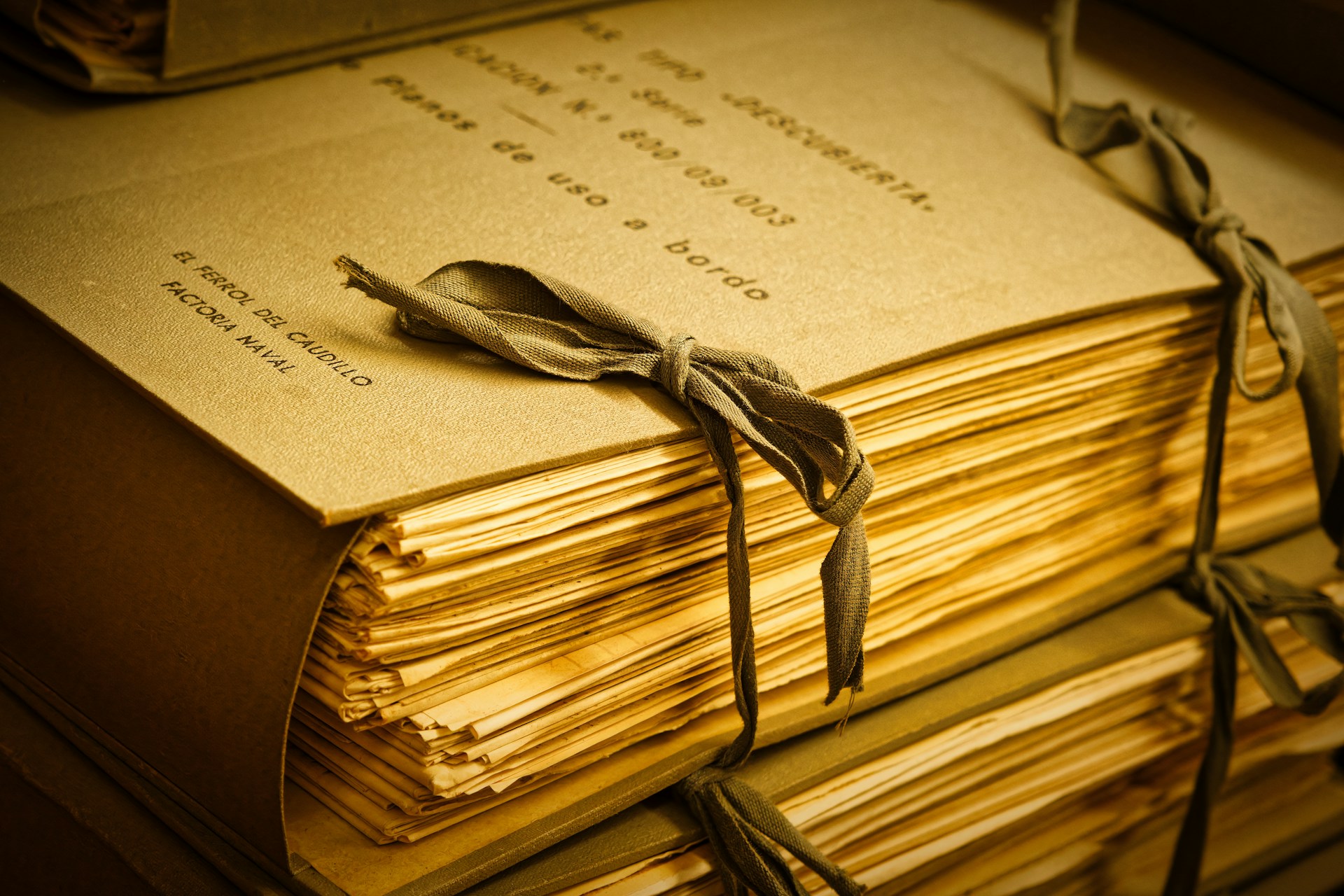
Hidden in the basement of a centuries-old parish in southern France, thousands of fragile documents lay silently deteriorating — their ink fading, their paper torn by time and damp. These records, dating back to the 16th century, held the voices of generations: births, marriages, land deeds, and letters that traced the rhythm of everyday life.
.svg)
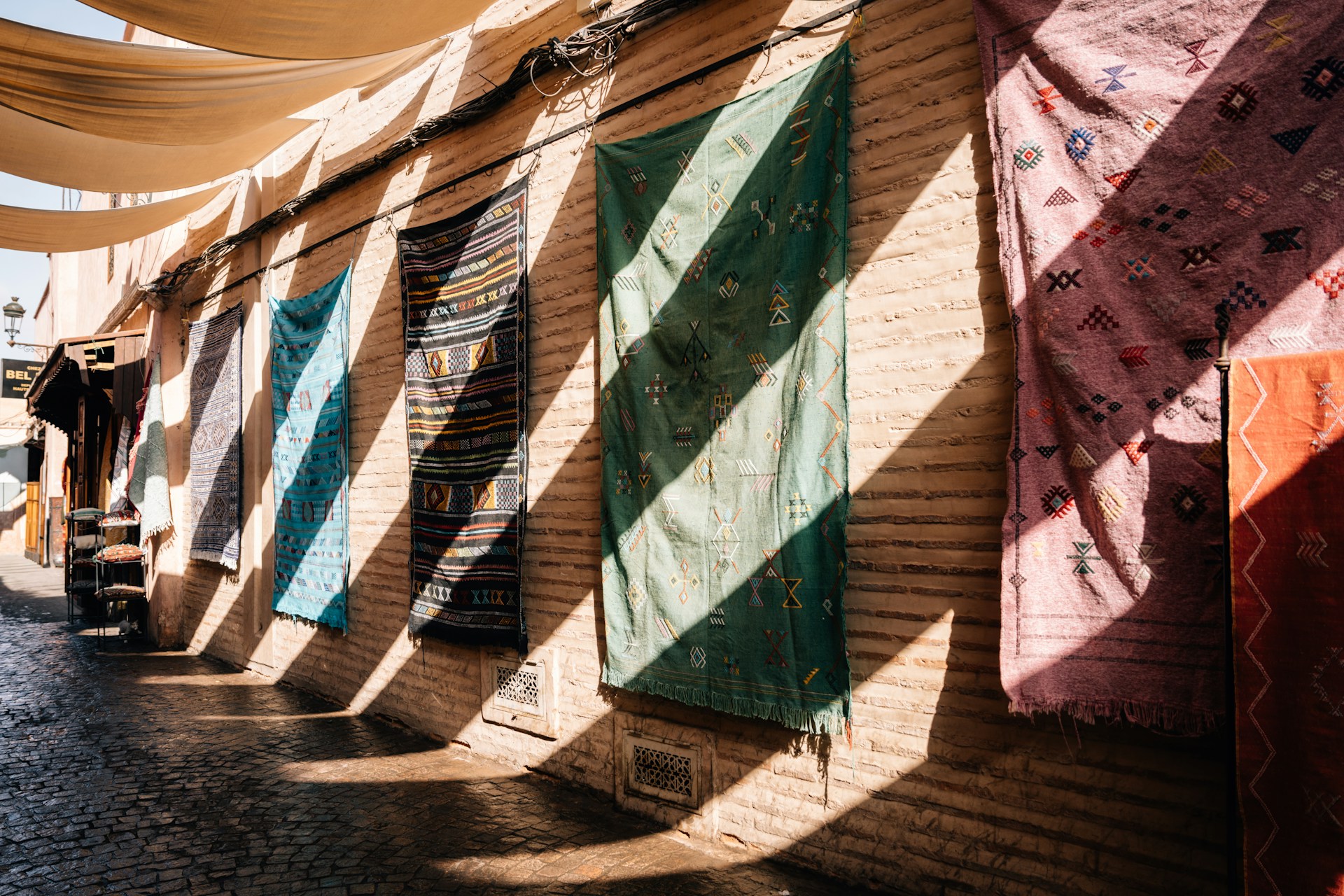
Across small villages in Eastern Europe, generations of artisans once passed down their craft through pattern, color, and thread. But as time moved on and traditions faded, many of these intricate weaving and embroidery techniques were in danger of disappearing.
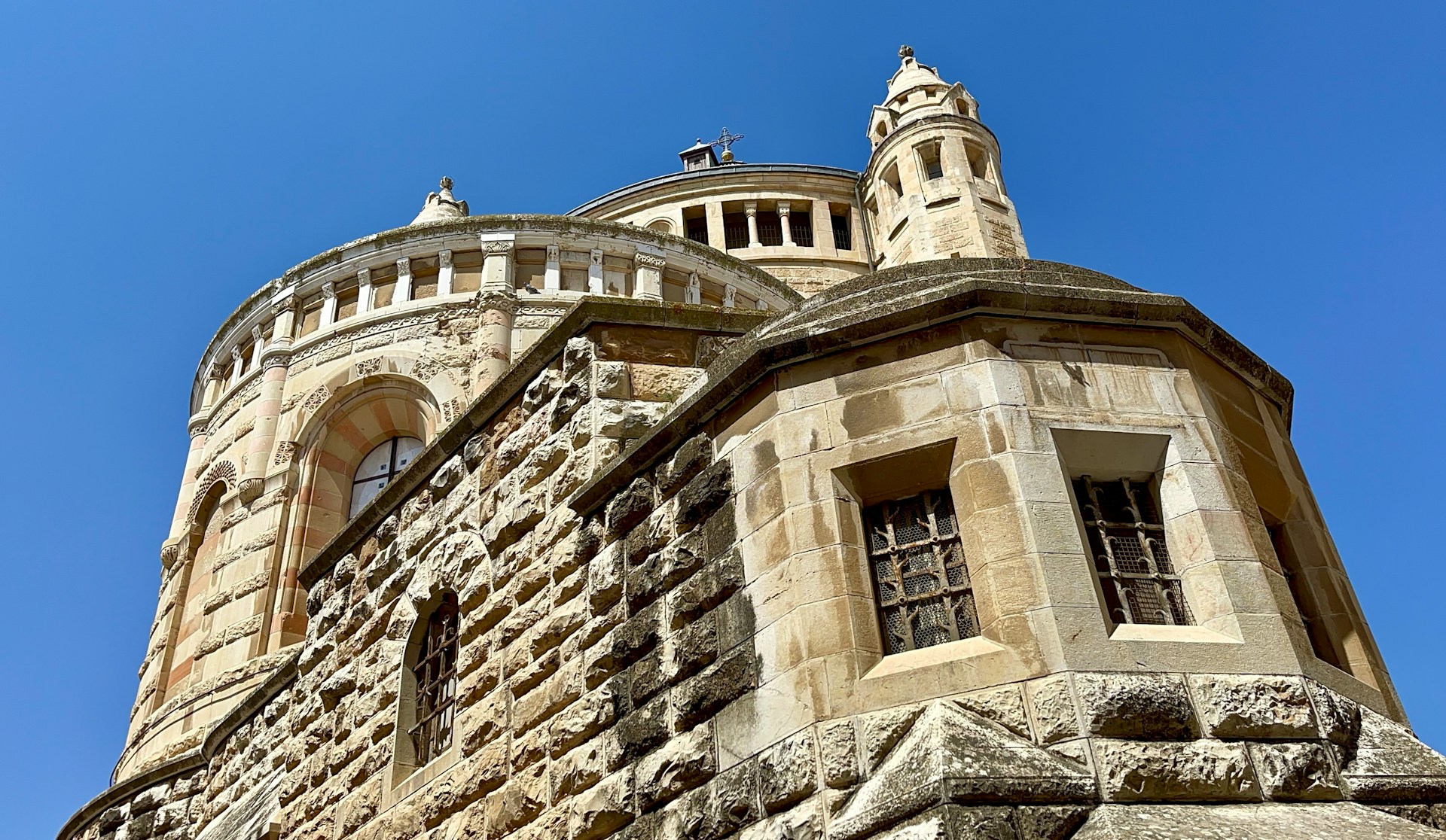
Once an abandoned ruin, the Old Mill now stands as a living museum of traditional craftsmanship. Its wooden beams and stone walls were carefully restored, preserving the soul of centuries-old industry. Today, the mill celebrates artisans who keep ancestral skills alive — from weaving to carpentry. Visitors can experience heritage in motion, witnessing how the past continues to shape local identity.
FIll out the form to be involved in our campaign to put new york first!