In the high meadows of the Carpathians, the wind moves through the grass like a forgotten hymn. Old footpaths trace the same routes shepherds once walked centuries ago. Ancient oaks still mark the boundaries of lands once shared by families and clans. Here, history isn’t kept in museums — it grows from the soil itself.
Yet, this living landscape — shaped by both nature and human hands — faces growing threats: erosion, deforestation, overdevelopment, and the slow fading of traditional land stewardship. That’s why Ancestra Trust launched the Guardians of the Landscape Project — a pioneering initiative to protect and restore heritage landscapes that hold both ecological and cultural meaning.
Unlike conventional conservation programs, Guardians of the Landscape looks beyond environmental protection to embrace the human stories embedded in the land. These are places where mythology, ritual, and livelihood have intertwined for generations — places where every field and river carries both natural and cultural memory.
The project began with extensive field surveys across rural regions of Eastern Europe, mapping ancient terraces, sacred groves, and historical grazing routes. Teams of ecologists, historians, and local elders worked together to identify landscapes where natural biodiversity and ancestral traditions coexist — forming a delicate balance that deserves protection.
Central to the project’s philosophy is the revival of traditional land practices — sustainable grazing, seasonal planting, and communal forest care — methods that once maintained ecological harmony long before modern conservation began.
Workshops and training programs were created to reconnect younger generations with these ancient methods. Local farmers learned how to blend ancestral ecological wisdom with modern sustainability techniques, creating a bridge between heritage and innovation.
Partnerships lie at the heart of the Guardians of the Landscape mission. The Trust collaborates with local councils, universities, and environmental NGOs to create management plans that respect both the ecosystem and the community’s cultural values.
Restored trails now invite eco-tourists and pilgrims to walk through these reborn landscapes, guided by interpretive signs that tell the stories of the land — from ancient shepherd songs to local legends tied to rivers and stones.
Through exhibitions and online archives, the project shares maps, photographs, and oral histories that celebrate the living bond between people and place.


Hidden in the basement of a centuries-old parish in southern France, thousands of fragile documents lay silently deteriorating — their ink fading, their paper torn by time and damp. These records, dating back to the 16th century, held the voices of generations: births, marriages, land deeds, and letters that traced the rhythm of everyday life.
.svg)

Across small villages in Eastern Europe, generations of artisans once passed down their craft through pattern, color, and thread. But as time moved on and traditions faded, many of these intricate weaving and embroidery techniques were in danger of disappearing.
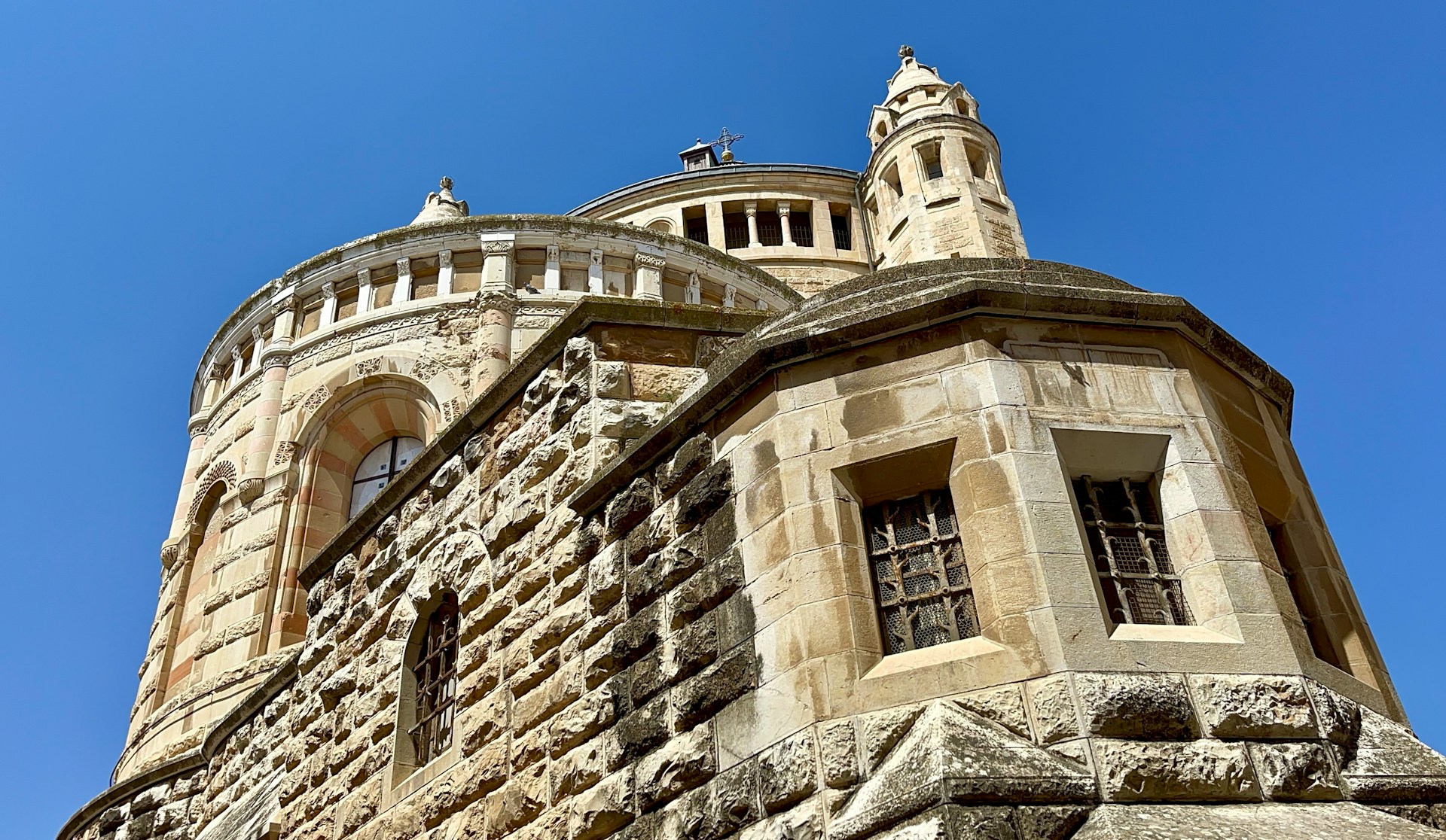
Once an abandoned ruin, the Old Mill now stands as a living museum of traditional craftsmanship. Its wooden beams and stone walls were carefully restored, preserving the soul of centuries-old industry. Today, the mill celebrates artisans who keep ancestral skills alive — from weaving to carpentry. Visitors can experience heritage in motion, witnessing how the past continues to shape local identity.
FIll out the form to be involved in our campaign to put new york first!