Across the rolling plains of the Balkans, ancient stone circles rise from the mist — weathered and silent, yet unshaken by centuries of wind and time. Once sacred gathering places and markers of belonging, these stones stand as the last witnesses to civilizations whose names have faded from memory.
For generations, local communities passed by them without knowing their meaning — just landmarks in the fields, mysterious yet familiar. But through the Echoes of Stone Project, Ancestra Trust set out to reawaken these forgotten monuments and the human stories carved within them.
This initiative bridges the worlds of archaeology, anthropology, and oral history, revealing not only what these stones once represented — but what they still mean today.
The project began with a question: What do the stones remember?
Teams of archaeologists and heritage researchers traveled across rural regions of Southeastern Europe, documenting megalithic sites that had never been formally studied. Using non-invasive techniques — drone mapping, 3D scanning, and acoustic analysis — they captured each monument’s structure and surroundings in extraordinary detail.
But Echoes of Stone was never just about scientific discovery. Alongside the archaeological work, the team recorded local legends, songs, and oral histories that still lingered in the nearby villages — stories of guardian spirits, ancient kings, and invisible boundaries between worlds.
Each myth, it turned out, contained fragments of truth — hints of how people once lived in harmony with the landscapes they built upon.
In collaboration with cultural historians and digital artists, the project brought these findings to life through immersive exhibitions and virtual reconstructions. Visitors could step into a recreated ancient site, hear the sounds that might once have echoed among the stones, and read the myths told by their descendants.
The goal was not to separate legend from fact — but to celebrate their coexistence. For Ancestra Trust, the past is most alive when we allow history and imagination to speak together.
Perhaps the most powerful outcome of Echoes of Stone has been the renewed sense of belonging it sparked among local communities. Through workshops and storytelling festivals, residents were invited to share their own interpretations of the monuments — poems, drawings, songs — continuing the tradition of connecting meaning to place.
In several locations, school programs now use the project’s materials to teach children about their regional prehistory, blending archaeology with creative learning. What began as an exploration of ancient stones became a movement to reclaim identity through heritage.


Hidden in the basement of a centuries-old parish in southern France, thousands of fragile documents lay silently deteriorating — their ink fading, their paper torn by time and damp. These records, dating back to the 16th century, held the voices of generations: births, marriages, land deeds, and letters that traced the rhythm of everyday life.
.svg)

Across small villages in Eastern Europe, generations of artisans once passed down their craft through pattern, color, and thread. But as time moved on and traditions faded, many of these intricate weaving and embroidery techniques were in danger of disappearing.
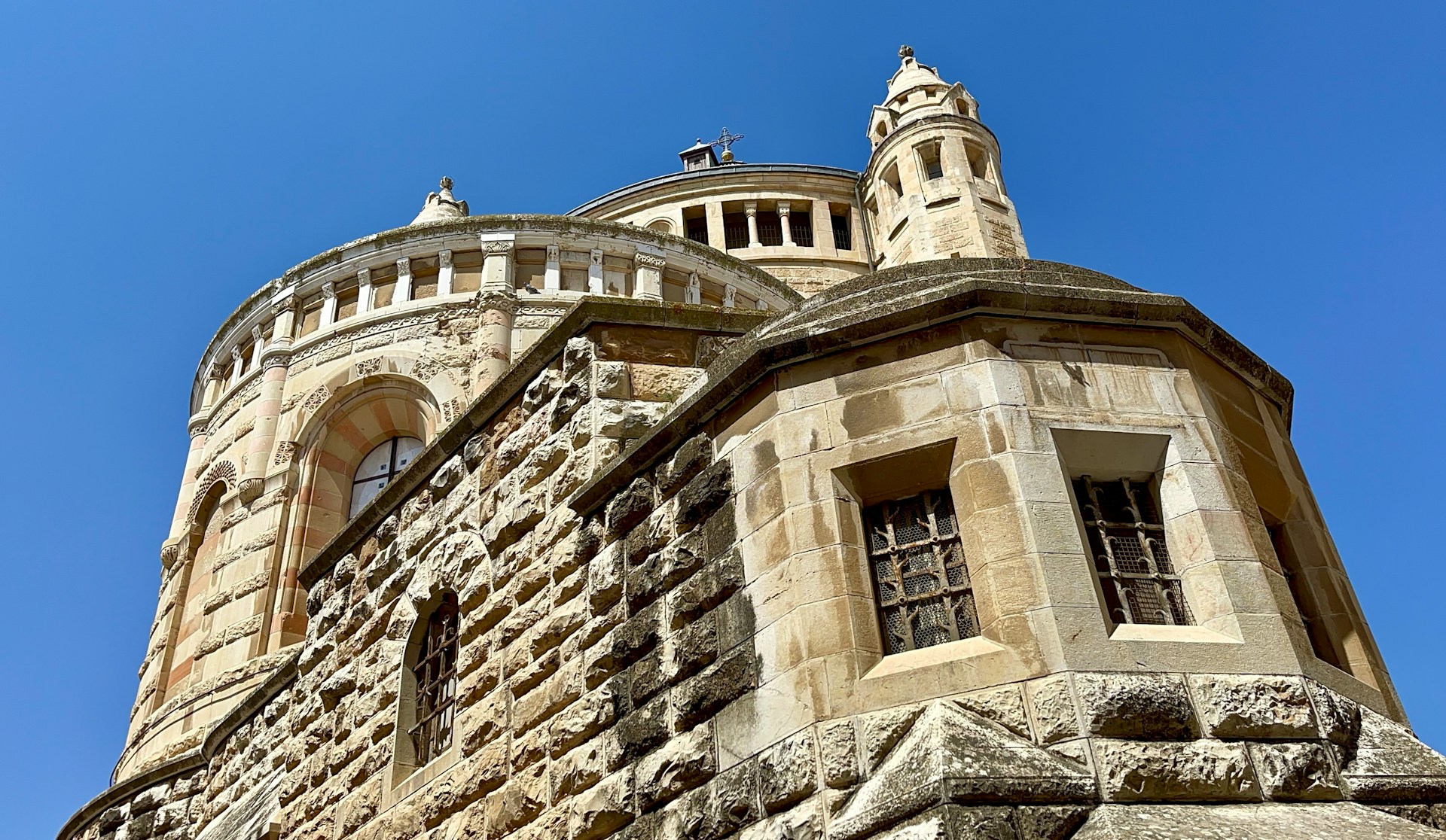
Once an abandoned ruin, the Old Mill now stands as a living museum of traditional craftsmanship. Its wooden beams and stone walls were carefully restored, preserving the soul of centuries-old industry. Today, the mill celebrates artisans who keep ancestral skills alive — from weaving to carpentry. Visitors can experience heritage in motion, witnessing how the past continues to shape local identity.
FIll out the form to be involved in our campaign to put new york first!